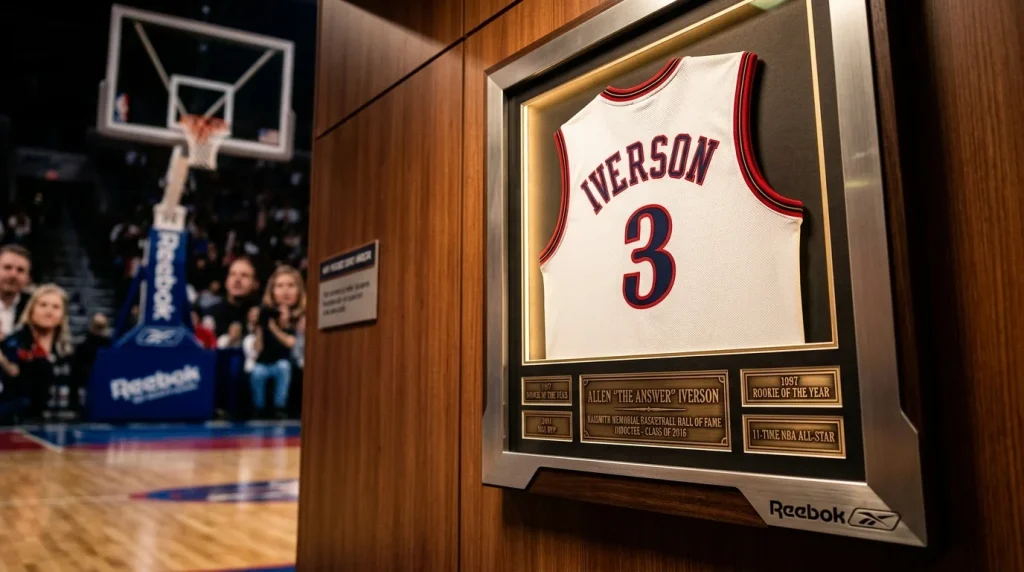
Despite earning over $154 million in NBA salary and tens of millions more in endorsements during his playing career, Allen Iverson’s estimated liquid net worth today sits around $1 million. The Hall of Famer’s post-retirement financial struggles—stemming from heavy spending, legal issues, and maintaining a massive personal entourage—drastically reduced his career earnings. However, “The Answer” is far from completely broke thanks to a remarkably forward-thinking lifetime deal signed with Reebok in 2001. In addition to receiving an annual payout of $800,000 per year for life from Reebok, the contract includes a $32 million trust fund that becomes accessible on his 55th birthday in 2030 (though half of the fund is designated to his ex-wife as part of their divorce settlement).
Quick Facts
| Category | Detail |
| Full Name | Allen Ezail Iverson |
| Net Worth | Approximately $1 million (liquid) |
| Profession | Retired NBA player |
| Born | June 7, 1975, Hampton, Virginia |
| Primary Income Source | Reebok lifetime endorsement deal |
| Career NBA Earnings | Roughly $200 million in salary and endorsements |
Allen Iverson’s net worth sits at roughly $1 million today, a modest figure for a player who earned an estimated $200 million over his NBA career. The gap between what he made and what he has now is well documented, and it comes down to a mix of lavish spending, legal costs, and a support network that grew as fast as his paychecks. His financial picture isn’t just a low number, though. A lifetime deal with Reebok still pays him close to seven figures a year and guarantees a lump sum once he turns 55, which keeps his long-term outlook steadier than his current liquid assets suggest.
From Hampton To The Top Pick
Iverson grew up in Hampton, Virginia, raised largely by his mother after his father was absent for much of his childhood. Money was tight throughout his youth, and basketball became his way out. He starred at Bethel High School in both football and basketball before landing at Georgetown University under coach John Thompson, where two seasons were enough to establish him as one of the most electric guards in the country.
The Philadelphia 76ers took him first overall in the 1996 NBA Draft. At six feet tall, and by many accounts closer to five-foot-ten, he remains the shortest player ever selected with the first overall pick. He won Rookie of the Year that same season, a sign of what was coming.
Career Earnings And Contracts
Iverson’s rookie contract with Philadelphia was worth roughly $9 million over three years, solid money for the mid 1990s but nowhere near what came next. As his game and his fame grew, so did his paychecks.
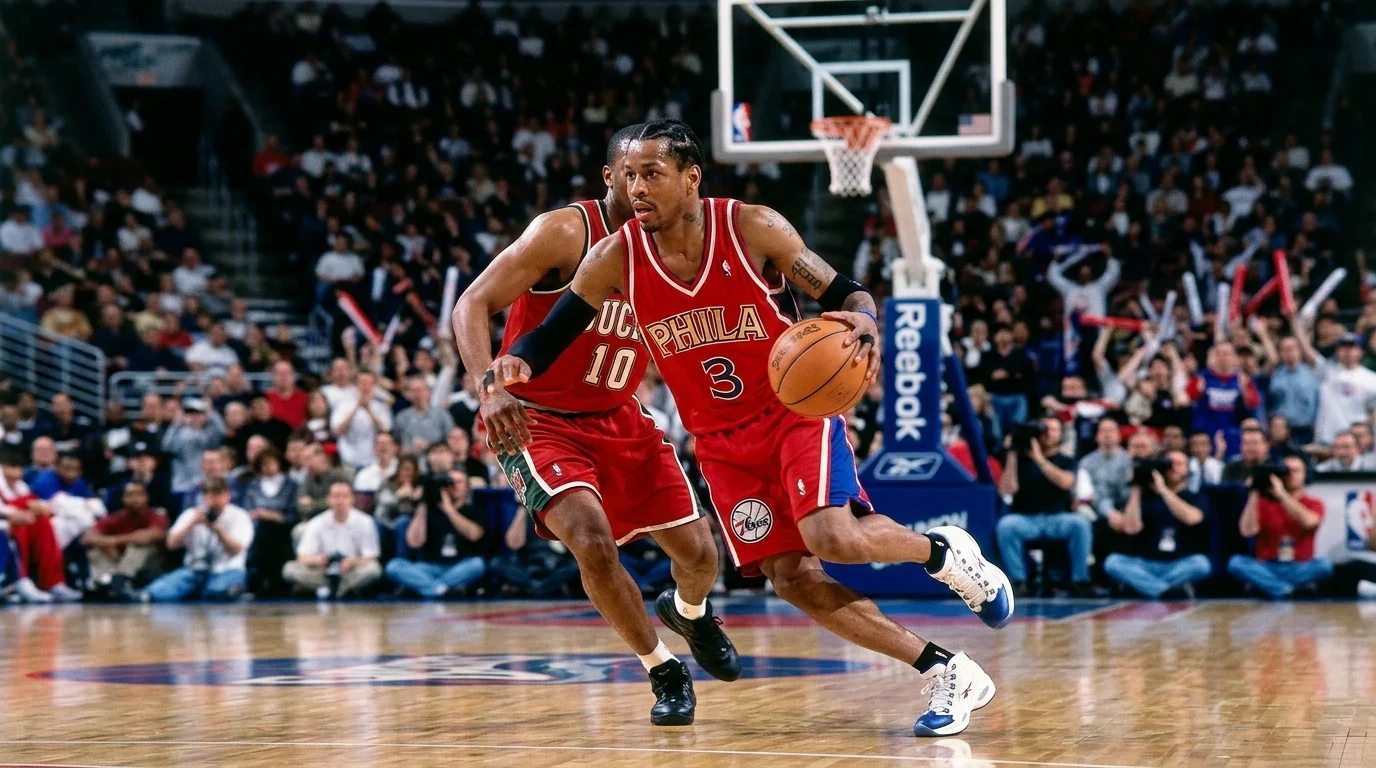
In 1999, Iverson signed a six-year extension with the 76ers worth about $70.9 million, a deal that made him one of the highest-paid players in the league at the time. It reflected more than his scoring average. Iverson had become the face of a new NBA generation, one that dressed differently, talked differently, and played with a rawness the league hadn’t fully embraced before.
His peak seasons backed up the money. He won the scoring title four times, made eleven All-Star teams, took home All-Star Game MVP honors twice, and was named league MVP in 2001 after leading Philadelphia to the NBA Finals against a heavily favored Los Angeles Lakers team. Across salary and bonuses over a fourteen-year career that also included stops with the Denver Nuggets, Detroit Pistons, and Memphis Grizzlies, Iverson’s total NBA earnings are widely put at around $200 million.
Where That Money Went
Iverson’s spending habits are as much a part of his story as his crossover dribble. Reports over the years have described an entourage that sometimes numbered in the dozens, with Iverson covering travel, lodging, and daily expenses for friends and family members. Add to that a taste for jewelry, cars, and high-end living, plus a costly divorce and various legal expenses, and the math starts to explain how a $200 million career can end with a seven-figure net worth.
This isn’t a story unique to Iverson. Plenty of professional athletes with long, well-paid careers end up in similar territory once the game ends and the paychecks stop, especially without disciplined financial planning during the peak earning years. What sets Iverson apart is that one contract, signed decades ago, is quietly protecting him from the worst version of that outcome.
The Reebok Deal That Changed Everything
In 2001, at the height of his popularity, Iverson signed a lifetime endorsement agreement with Reebok. The structure of that deal is the single biggest reason his finances aren’t in worse shape today. Rather than a standard multi-year contract that would have expired long ago, Reebok locked him into annual payments believed to fall between $800,000 and $1 million for the rest of his life, along with a trust fund reported at roughly $32 million that becomes fully available to him at age 55.
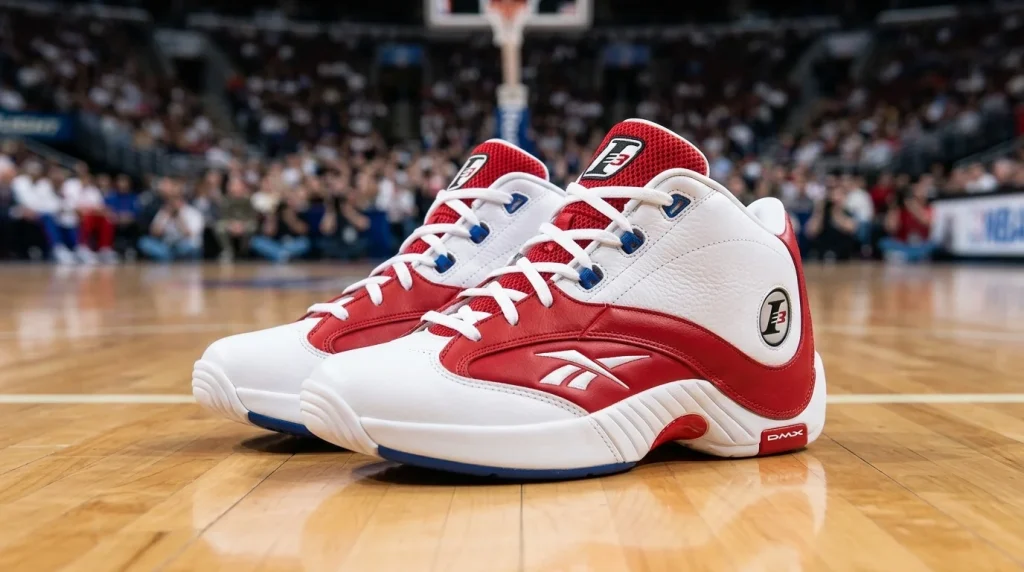
That single decision, made when Iverson was still an active superstar, has done more for his long-term financial security than almost anything else from his playing days. It’s a rare example of an athlete’s team structuring a deal for the decades after retirement rather than just the years during it.
Life After Basketball
Iverson retired from the NBA in 2010 after a brief, difficult final stretch that included a short return to Philadelphia and a stint in Turkey. He was inducted into the Naismith Memorial Basketball Hall of Fame in 2016, cementing his place among the greats of his era regardless of how his finances played out.
Since retirement, Iverson has stayed connected to basketball and to the culture he helped shape. He’s made appearances in retired players’ leagues, worked in various ambassador and consulting capacities tied to the sport, and remained a fixture at 76ers events, where the team retired his No. 3 jersey in 2014. His name and image still carry weight in sneaker culture and streetwear, two industries that trace some of their mainstream crossover directly back to what he wore and how he carried himself on the court in the late 1990s and early 2000s.
How He Compares To Peers
Iverson’s post-career net worth stands out precisely because of how it contrasts with contemporaries who earned similar money. Players from that same NBA era who avoided major financial trouble typically did so through a combination of conservative spending, diversified investments in real estate or businesses, and financial advisors brought in early rather than after problems started. Iverson’s case gets cited often in athlete financial literacy discussions for exactly that reason. It’s less a story about how much someone made and more about what happened to it afterward.
His trajectory also illustrates something else worth noting: current liquid net worth and lifetime financial security aren’t always the same measurement. On paper, a $1 million net worth for someone who earned $200 million looks alarming. Factor in guaranteed future payments like the Reebok trust, and the picture looks considerably less dire than the headline number implies.
The Bottom Line
Allen Iverson’s net worth today, estimated at around $1 million in liquid assets, doesn’t capture the full financial reality of one of basketball’s most influential players. He earned roughly $200 million across a Hall of Fame career, spent much of it on a lifestyle and support system that outpaced even his considerable salary, and now leans on a Reebok deal that was smart enough, decades ago, to outlast the spending that followed it. His legacy on the court was never really in question. His finances tell a more complicated story, one that’s become a cautionary and occasionally reassuring case study for athletes navigating the years after the game ends.