
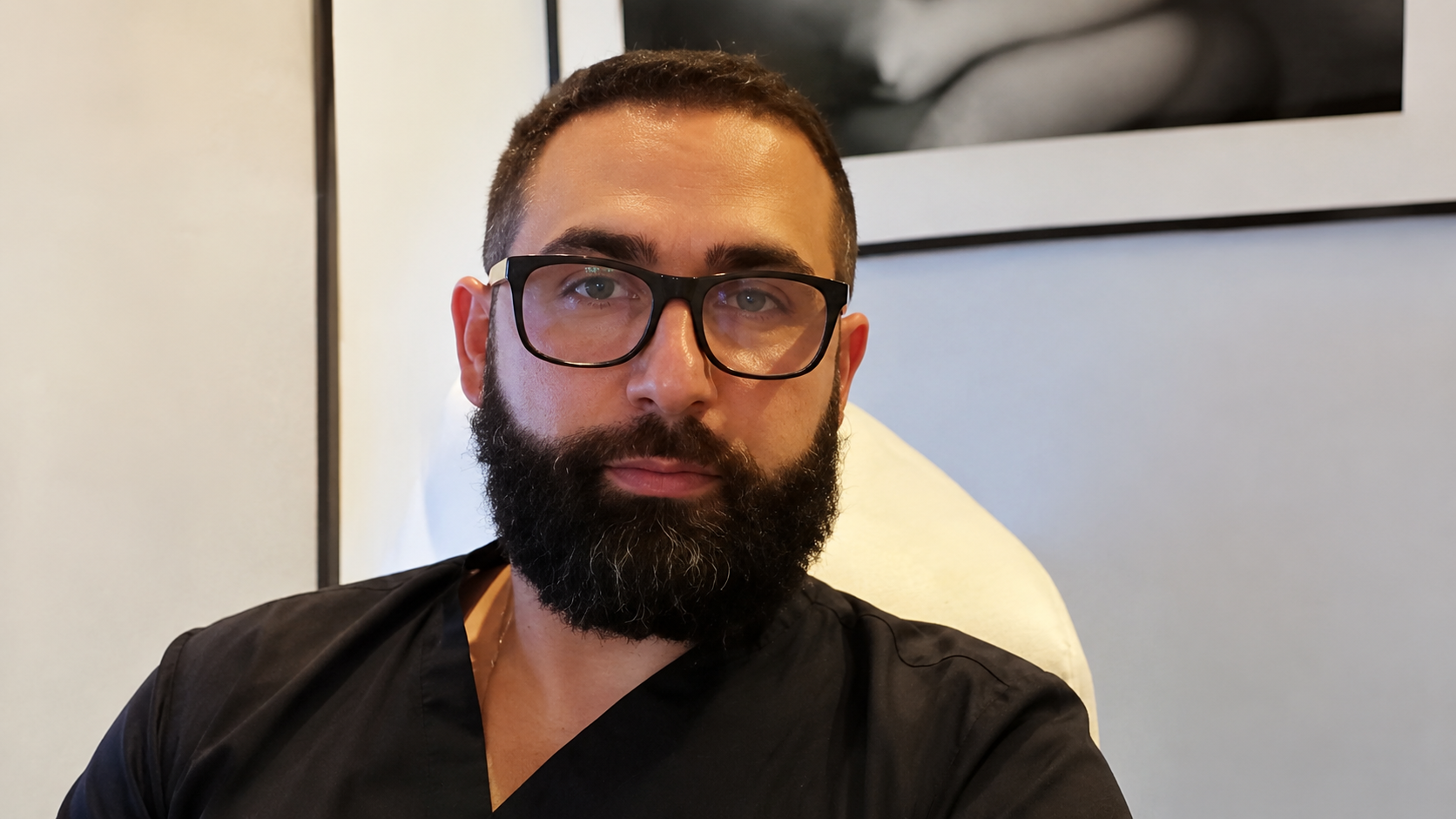
Cosmetic medicine has become one of the most crowded and emotionally charged sectors in modern healthcare. Clinics compete aggressively on visibility, pricing, and social media attention, while patients are left trying to separate medical credibility from marketing performance. The tension is especially sharp in aesthetics, where trust can disappear faster than customer demand appears. That is the environment Kaveh M stepped into while building Beauty Kliniken.
Rather than positioning the clinic around spectacle, Kaveh M built the business around reassurance, consistency, and patient relationships. That sounds obvious on paper, but it runs against the incentives shaping much of the aesthetics market. The pressure to scale quickly often pushes clinics toward volume-based treatment models and highly commercial branding. Beauty Kliniken instead leaned into long-term credibility, treating reputation not as a branding exercise but as an operational requirement.
The Problem Beauty Kliniken Was Really Solving
The core issue Beauty Kliniken addressed was not access to cosmetic treatments. The market already had plenty of clinics offering injectables, skin procedures, and aesthetic consultations. The larger problem was uncertainty. Patients often struggled to understand who was medically qualified, which treatments were genuinely necessary, and whether clinics were prioritizing outcomes or repeat spending.
That uncertainty created a deeper business opportunity. Cosmetic medicine is highly personal, which means patient anxiety becomes part of the customer experience itself. Kaveh M recognized that consumers were not simply buying procedures. They were buying confidence in the person performing them. In many ways, Beauty Kliniken built its model around reducing emotional friction as much as delivering aesthetic results.
The industry also developed a credibility problem as social media accelerated demand. Platforms rewarded dramatic transformations and viral before-and-after content, sometimes encouraging unrealistic expectations. Clinics that chased attention often benefited in the short term, but the long-term consequence was growing skepticism among patients. Beauty Kliniken positioned itself differently by emphasizing measured communication and consultation-driven care rather than pure visibility.
Why Kaveh M Saw the Industry Differently
Kaveh M appears to understand something many founders in aesthetics miss: cosmetic medicine is still medicine. That distinction matters because it changes how a company approaches growth, staffing, communication, and patient care. When aesthetics becomes overly transactional, trust erodes quickly. Patients may purchase once, but they rarely build lasting loyalty.
His approach also reflects an understanding of modern consumer behavior. Patients today are informed, skeptical, and highly sensitive to authenticity. They research providers extensively, compare reviews obsessively, and often arrive at consultations already carrying information from social platforms. That means clinics cannot rely solely on branding anymore. They have to demonstrate competence repeatedly through experience and consistency.
There is also a psychological layer to the business that Kaveh M seems to recognize clearly. Cosmetic treatments sit at the intersection of confidence, identity, and vulnerability. Businesses operating in that space cannot behave like ordinary retail companies without risking reputational damage. Beauty Kliniken’s positioning suggests an attempt to create emotional safety alongside commercial growth, which is harder to scale but ultimately more defensible.
What Made Kaveh M Different From Competitors
What separates Kaveh M from many competitors is not necessarily the treatments themselves. Most clinics now offer overlapping services, similar technologies, and comparable product lines. The difference increasingly comes down to patient trust and operational discipline. That is where Beauty Kliniken appears to have focused its energy.
Many aesthetic businesses optimize for customer acquisition above everything else. They prioritize visibility, influencer partnerships, and rapid geographic expansion because the market rewards momentum. Beauty Kliniken seems to have taken a slower path, emphasizing repeat relationships and reputation durability over constant reinvention. That strategy may appear less aggressive externally, but it often produces stronger customer retention internally.
The clinic also benefits from a calmer brand identity than many of its competitors. In aesthetics, excessive marketing can sometimes undermine medical credibility. Patients may become suspicious when clinics appear more interested in selling than advising. Kaveh M’s positioning suggests an understanding that restraint itself can become a competitive advantage in healthcare-adjacent industries.
The Decision That Changed Beauty Kliniken
The defining decision for Beauty Kliniken was treating patient trust as the company’s central growth engine instead of treating it as a byproduct of marketing. That distinction shaped how the clinic communicated publicly, structured consultations, and approached customer relationships. It also required resisting some of the short-term tactics that drive rapid attention in aesthetics.
That decision carried risk because trust-based growth is slower and less predictable than hype-driven expansion. Viral visibility can create immediate demand, while reputation compounds gradually over time. Kaveh M appears to have accepted that tradeoff early. The business bet was that patient loyalty and word-of-mouth credibility would ultimately prove more stable than trend-driven momentum.
The choice also revealed something important about the company’s long-term positioning. Beauty Kliniken was not trying to become another interchangeable cosmetic clinic competing primarily on promotions. It was trying to become a trusted provider inside an industry where consumer skepticism continues to grow. That is a harder path operationally, but potentially a stronger one strategically.
Turning Mission Into Operations
Aesthetic medicine businesses often talk about care, but operational systems reveal whether that language actually means anything. For Beauty Kliniken, the real challenge was translating trust into everyday execution. That includes consultation standards, treatment transparency, aftercare processes, staff hiring, and patient communication. In cosmetic medicine, small operational failures can become major reputational problems very quickly.
Hiring becomes especially important in that environment. Patients are not only evaluating outcomes; they are evaluating interpersonal confidence. Clinics therefore need practitioners who combine technical skill with emotional intelligence. Kaveh M’s operational focus appears centered on maintaining that balance rather than treating staff as interchangeable service providers.
There is also the issue of sustainability in customer relationships. Clinics built entirely around repeat cosmetic intervention can face criticism about over-treatment or unrealistic beauty standards. Beauty Kliniken’s positioning suggests an effort to avoid becoming excessively transactional. That balance matters because modern patients increasingly pay attention to how aesthetic brands communicate responsibility as well as aspiration.
The Difficult Reality of Scaling
Scaling Beauty Kliniken comes with pressures that extend beyond normal business expansion. Aesthetic medicine businesses must manage medical compliance, consumer expectations, staffing consistency, and online reputation simultaneously. Growth magnifies every operational weakness. A single poor patient experience can spread publicly within hours.
Competition also creates constant strategic pressure. The aesthetics market continues attracting new entrants because demand remains strong and margins can appear attractive from the outside. But maintaining consistency across growth stages is difficult. Clinics often discover that rapid expansion strains culture, treatment quality, and customer trust at the same time.
Kaveh M also operates in an environment where public scrutiny keeps increasing. Consumers are becoming more critical of cosmetic marketing, especially around unrealistic standards and social media influence. That means aesthetic businesses cannot rely indefinitely on aspiration alone. They increasingly need credibility, transparency, and operational maturity to sustain growth over time.
What Kaveh M’s Story Actually Reveals
Kaveh M and Beauty Kliniken reflect a broader shift happening across modern aesthetics. Consumers are becoming less impressed by visibility and more focused on trust, consistency, and professionalism. That changes how cosmetic medicine companies compete. Attention still matters, but credibility matters longer.
The larger lesson is that businesses built around personal vulnerability require a different kind of leadership discipline. Cosmetic medicine is not only about beauty; it is about responsibility under commercial pressure. Kaveh M’s story suggests that in industries driven by emotion, restraint can become one of the strongest business strategies available.


